Unerstanding Diseases

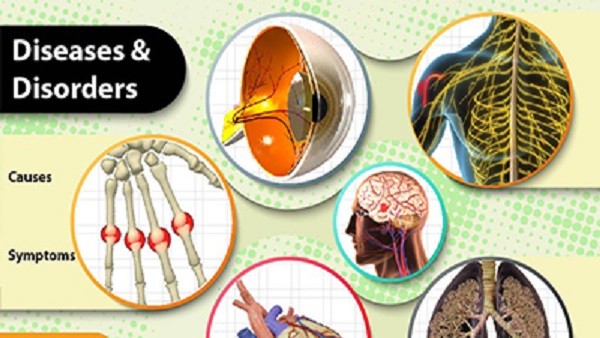
Overview Series / Understanding Diseases - explaining various disease conditions, drug interactions, and procedures through powerful animations. 58 titles in this series covering major therapeutic areas are designed for medical students, clinicians, and allied health professionals
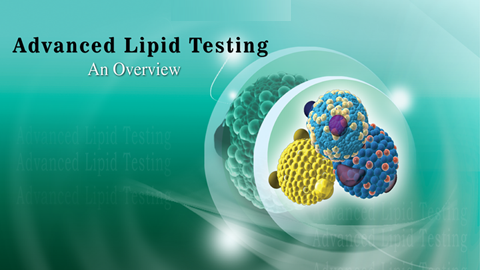
Cardiovascular risk factors extend beyond cholesterol, and include small proteins and lipoprotein subtypes. Cardiovascular risk is better assessed by identifying measurable lipid risk factors. Advanced lipid testing therefore, plays a crucial role in clinical practice. The kinds of lipids and their function, risk factors associated with abnormal levels of lipid and the role of advanced lipid testing in clinical assessment are discussed in detail in this presentation.
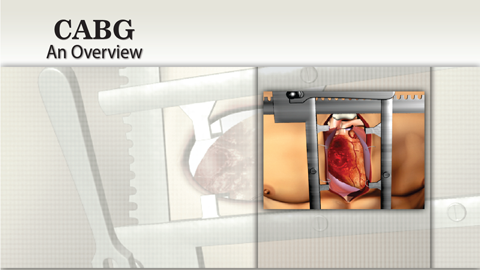
This presentation provides information on the surgical procedure CABG, a method used to treat angina and reduce the risk of coronary artery disease. Post-surgical procedures, alternative methods of CABG and guidelines to manage angina are also dealt with.
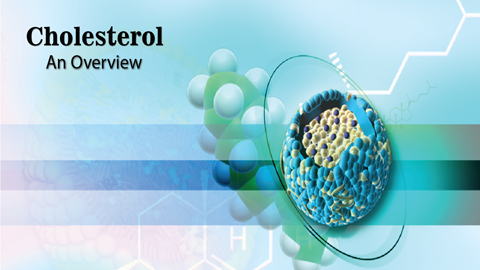
A lipid found in the cell membranes of all tissues, Cholesterol could be both good and bad. This animation explains cholesterol, its metabolism and hypercholesterolaemia. It also gives an outline of the types of cholesterol and how both good and bad lipoproteins - High-Density Lipoprotein (HDL) and Low-Density Lipoprotein (LDL) - affect health. Diagnosis and life style modification are also dealt with.
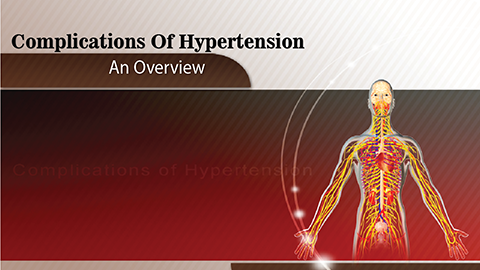
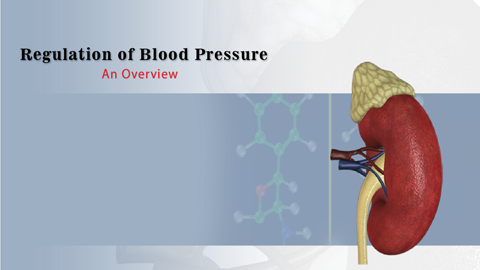
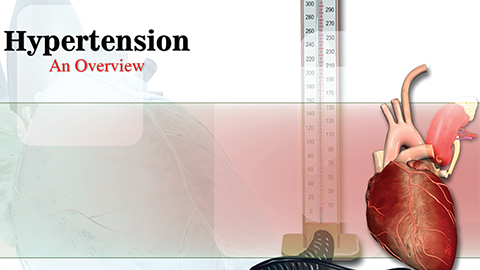
This presentation provides an insight into the factors regulating blood pressure, blood pressure measurement, types of changes in BP, and arising complications. This presentation also includes a note on lifestyle modifications that help maintain normal BP.
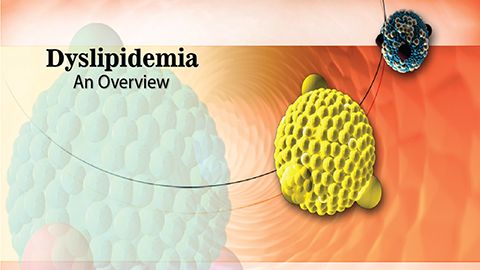
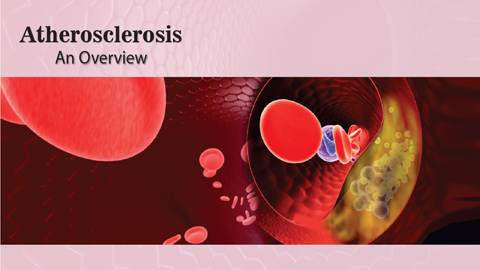
Elevation of plasma cholesterol and triglycerides or a low HDL level contributes to the development of atherosclerosis, a leading cardiovascular risk. This animation explains dyslipidemia, its causes, complications, and explores appropriate lifestyle changes and treatment options.
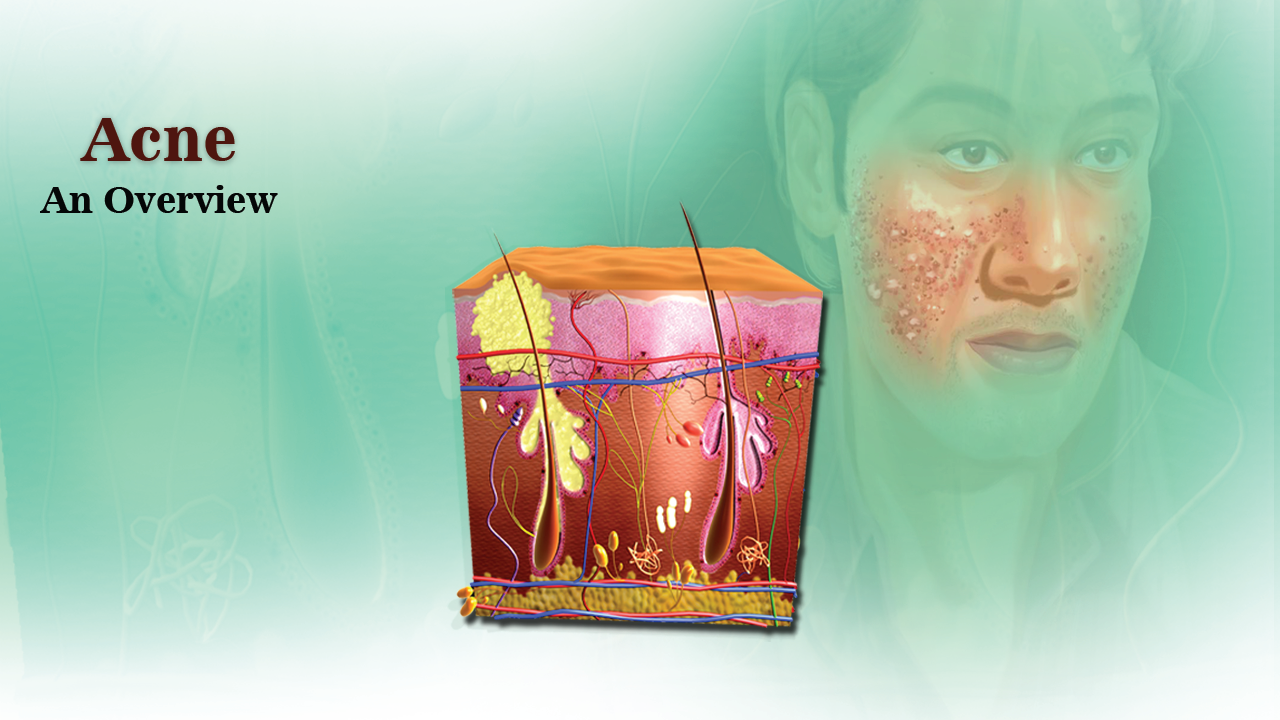
Acne, a common skin condition among adolescents and in some adults, is primarily caused by congestion of skin pores and usually occurs on the face and neck. The factors that influence the occurrence of acne, types of acne, treatment and preventive measures are offered in this presentation.
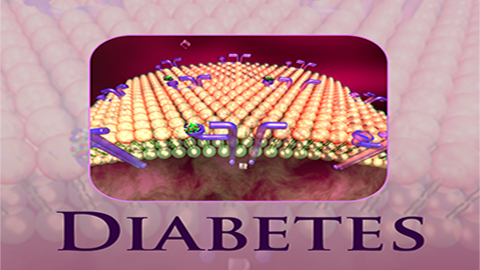
One of the common complications of diabetes, is damaged to the nerves by the progressive loss of nerve fibres, leading to symptoms such as sensations of pain. This animation elucidates the occurrence of diabetic neuropathy, associated complications, types of diabetic neuropathy and various treatment options.
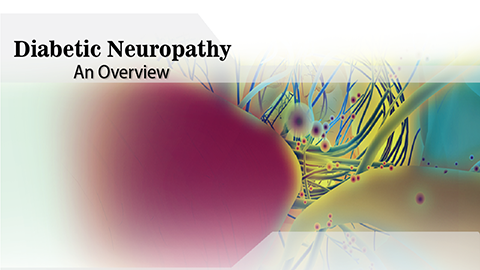
One of the common complications of diabetes, is damaged to the nerves by the progressive loss of nerve fibres, leading to symptoms such as sensations of pain. This animation elucidates the occurrence of diabetic neuropathy, associated complications, types of diabetic neuropathy and various treatment options.
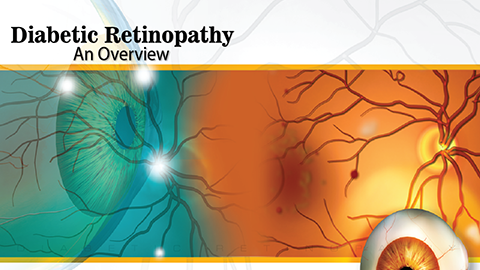
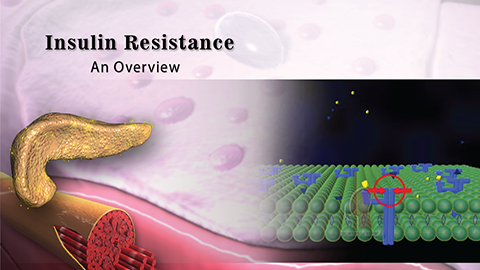
This animation on insulin resistance focuses on illustrating, in detail, the regulation of glucose and the role of insulin. It provides information on causes, symptoms, diagnosis, complications, treatment and self-help for disease management with emphasis on diet and exercise.
This animation on insulin resistance focuses on illustrating, in detail, the regulation of glucose and the role of insulin. It provides information on causes, symptoms, diagnosis, complications, treatment and self-help for disease management with emphasis on diet and exercise.
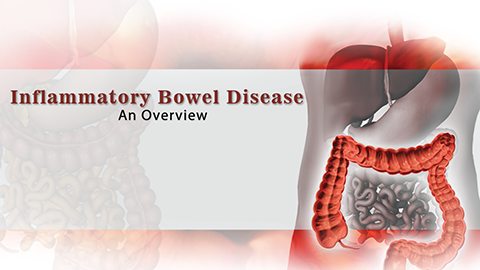
A condition that causes inflammation of the intestines. The two most common forms of IBD are ulcerative colitis and Crohn's disease. This animation on IBD focuses on the causes, symptoms, complications, risk factors, diagnosis, treatment and self-help for the disease.
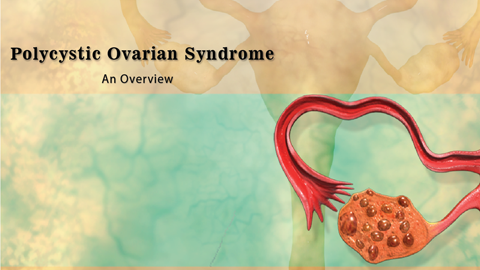
PCOS is a disorder that affects women in their reproductive age as a result of an imbalance in the hormones. This imbalance in hormones disturbs the normal menstrual cycles, gradually leading to infertility. This presentation provides information on the factors that lead to PCOS, its diagnosis, treatment and measures to manage the condition.
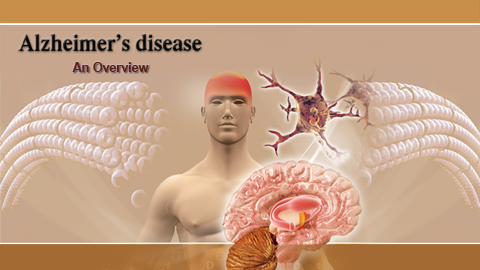
This animation on Alzheimer's disease discusses the anatomy and function of the brain. It describes in detail the types, diagnostic procedures and treatment options available for this disease. It also lists out the guidelines for patient-care, caretakers and for those who are coping with the disease.
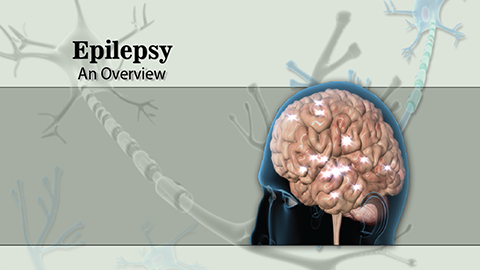
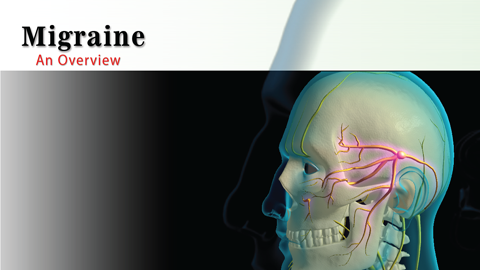
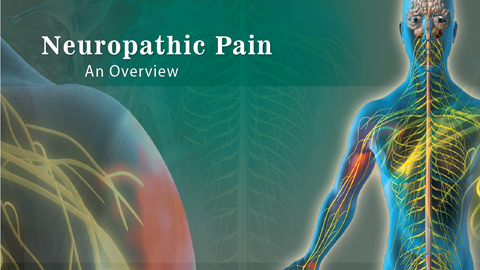
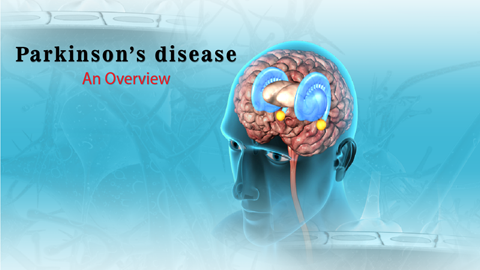
A chronic progressive and degenerative neurological disease that affects the neurons situated in the area of brain that controls movements. This presentation provides an insight into the causes, classical symptoms, pathophysiology, diagnosis and treatment for Parkinson's disease.
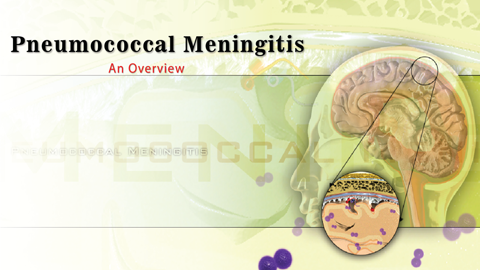
A life-threatening infection that requires quick medical treatment. Pneumococcal meningitis is an inflammation or infection of the meninges caused by Streptococcus pneumoniae. This presentation describes the structure and function of meninges, the inflammatory disease meningitis, its causes, symptoms, diagnosis and treatment.
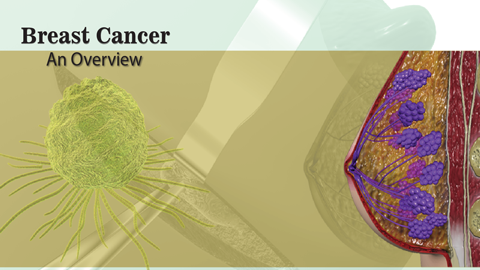
Breast Cancer is the second largest cause of cancer related death in women. This presentation describes the anatomy and functioning of the breast, development of cancer, its various stages, types of breast cancer, symptoms, spread of cancer, diagnosis, treatment and self-help.
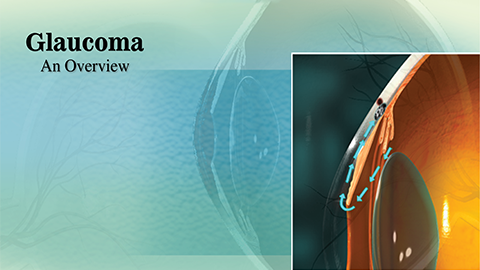
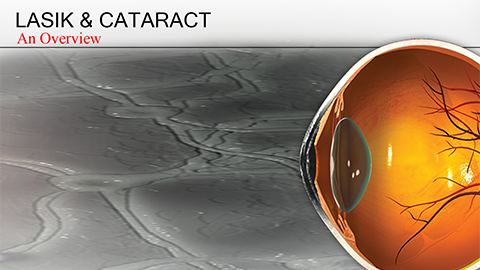
Laser-Assisted in Situ Keratomileusis or LASIK is a procedure where computer-controlled laser is used to correct Myopia, Astigmatism and Hyperopia. Cataract is a condition in which the eye lens is clouded affecting vision. Clouding of the eye's natural lens occurs when the protein balance in the lens is upset resulting in their clumping together.
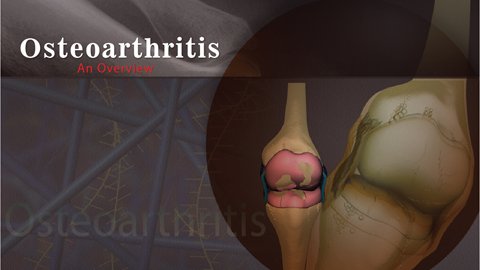
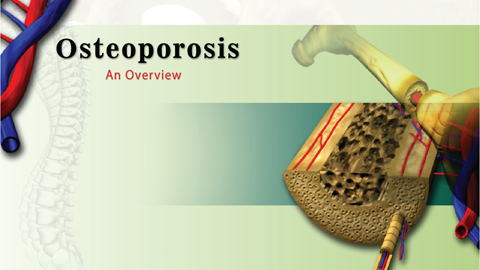
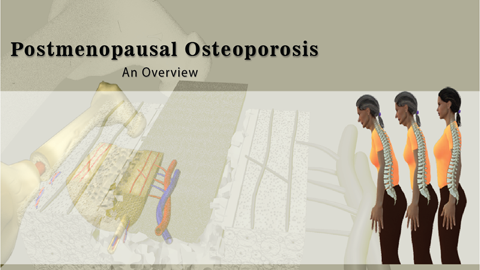
This animation gives an insight into the structure and formation of bones, changes with age and hormonal levels particularly at menopause. This animation also provides information on measurement of bone density, treatment and self-help guidelines for those with osteoporosis.
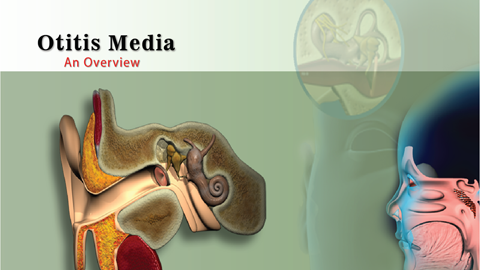
Ear infections are one of the most commonly diagnosed childhood illnesses. Otitis media is inflammation caused by presence of fluid, typically pus, in the middle ear. This animation discusses the anatomy and functioning of the ear, causes leading to Otitis media, its symptoms, diagnosis and treatment.

This animation helps in learning more about the disorder observed in childhood, structural and functional brain differences - especially in the frontal lobe and the striatum, classification of ADHD, diagnosis involving psychological examination, psychotherapy, various medications and management.
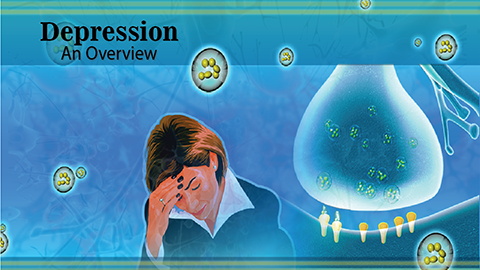
A leading cause of disability affecting millions of people worldwide. This animation provides information on the causes, types of depression, physiology, diagnosis and treatment for the disorder. It also focuses on the consequences of depression and guidelines to overcome them.
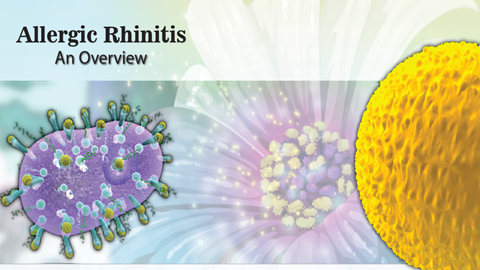
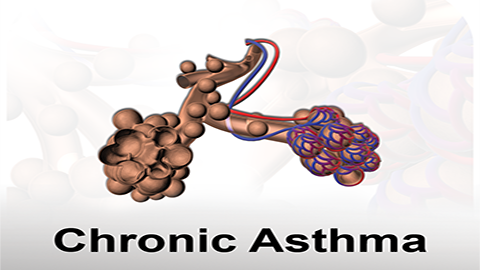
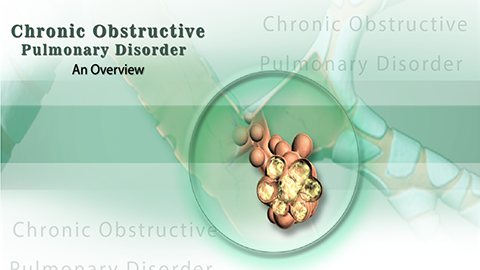
Chronic obstruction of the flow of air through the airways and out of the lungs is very often irreversible. People having this condition suffer from chronic bronchitis or emphysema and are said to have chronic obstructive pulmonary disease or COPD.
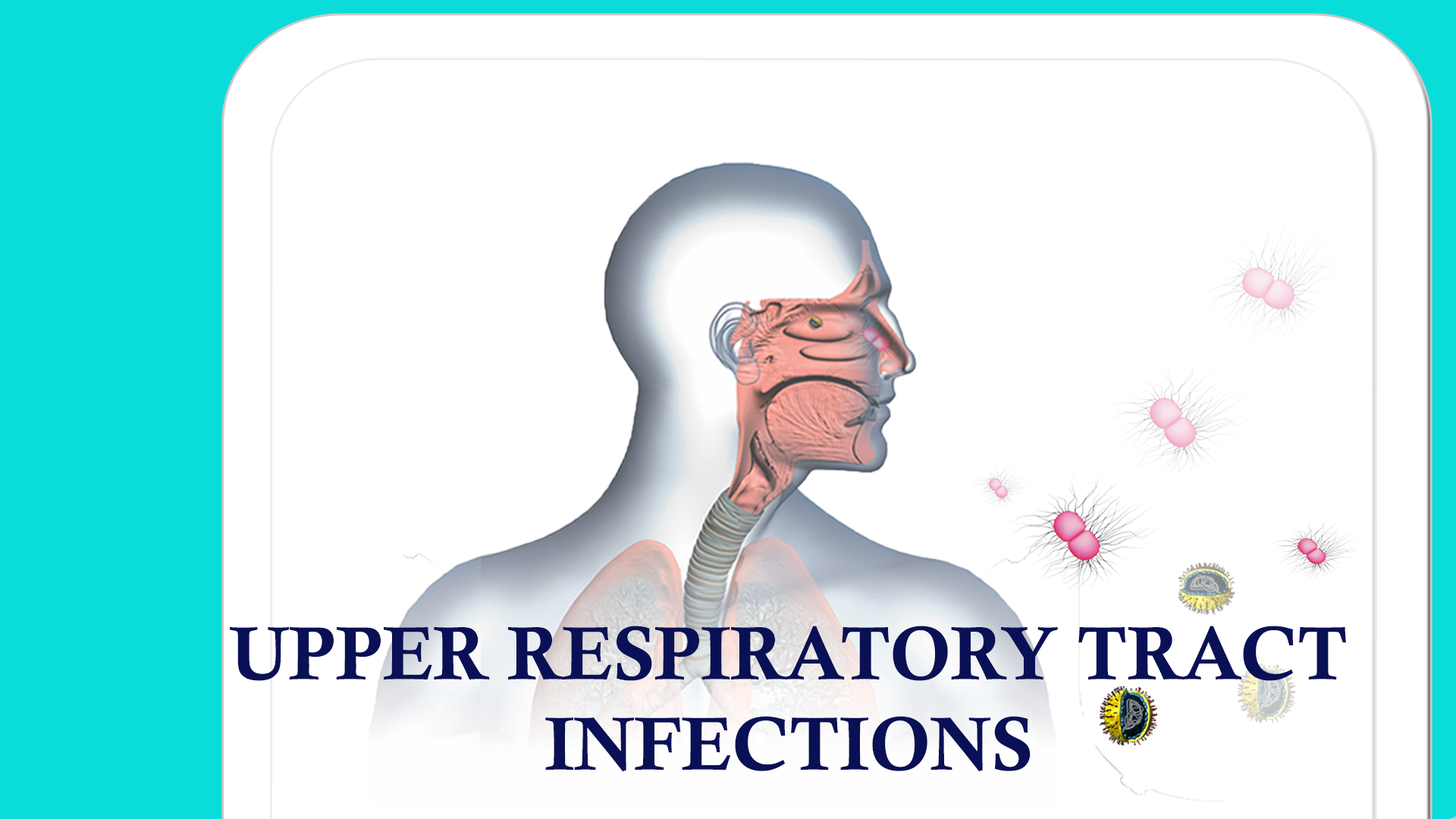
Upper respiratory tract infections (URI) involve the infection and inflammation in the sinuses, nasal passages, pharynx and the larynx, and includes a range of conditions that include common colds, rhinitis, pharyngitis, laryngitis, epiglottitis, a life-threatening condition, and tracheitis. Mostly of viral origin, URI are the leading cause for morbidity.
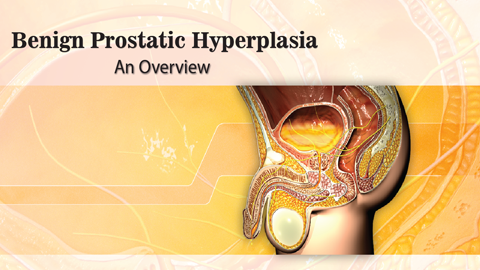
Benign Prostatic Hyperplasia is a common occurrence in older men involving enlargement of the prostate. This animation helps in understanding BPH, consequences of the disease on the life of the affected individual, causes, symptoms, diagnosis and treatment options.